

The concept of "aroused public opinion," frequently used by journalists, does not refer to an innocent awakening; rather, it describes a public opinion that has been mobilized, directed, and made capable of producing political pressure. David Truman's theory of interest groups is illuminating at this point. According to Truman, politics does not arise from the pure reactions of individuals, but from the organized demands being brought into the public sphere through symbols. Public opinion does not "awaken" spontaneously; it is awakened. When we read the anti-regime protests in Iran today within this framework, a disturbing but undeniable picture emerges: what we are facing is not merely a social explosion resulting from internal dynamics, but a covert lobbying process aimed at arousing public opinion.
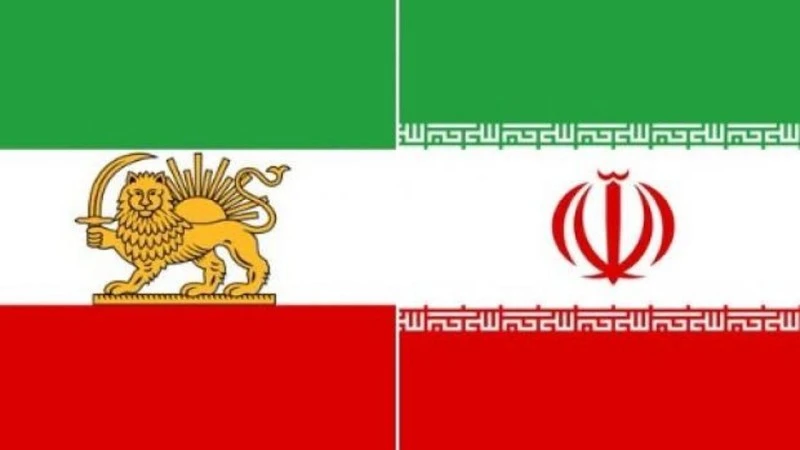
When lobbying is mentioned, a narrow image still circulates in people's minds: men in suits, parliamentary corridors, negotiations behind closed doors. However, as Truman also emphasizes, interest groups can impose their demands not only through state institutions but through all institutions of society. Media, symbols, slogans, visual language, and collective memory are essential tools in this process. The altered flags waving in the streets of Iran today, the torn-down old symbols replaced by new sun-logo images, are not accidental aesthetic choices. These are political products aimed not only at protesting against a regime but also at constructing an alternative narrative of legitimacy. Every slogan, every image, every viral video is a product of lobbying that emotionally sharpens public opinion, forcing it to take sides. This is precisely where “aroused public opinion” comes into play. This is not simply the anger of the people; it is anger framed, directed, and circulated internationally. As Truman put it, interest groups choose the most appropriate technique to make their demands effective. Sometimes this technique is a legislative proposal; sometimes diplomatic pressure; sometimes symbolic politics designed to mobilize public opinion. What we see in the case of Iran is precisely this: internal discontent is combined with externally fueled discourses; local demands are articulated within a global moral narrative.
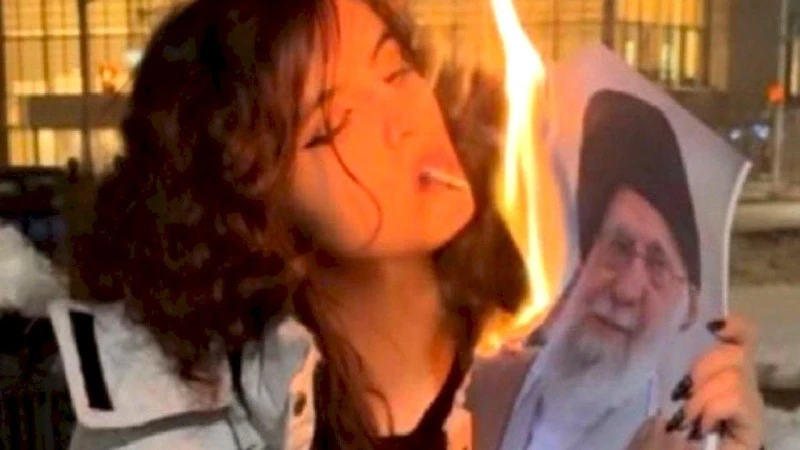
This does not render the protests “illegitimate”; however, it also undermines the narrative that attempts to portray them as pure, spontaneous, and directionless. The images circulated today under the headline "People rise up against the regime" are also a pressure-generating mechanism aimed at persuading international public opinion. As Truman put it, interest groups are now directing their demands not only to their own governments but to the entire global political arena. At this point, the protests being conducted cannot be separated from lobbying. Looking at the Iranian example, the first question to ask is: Is public opinion truly awakening, or is it being mobilized in a direction that is intended to be awakened? "Aroused public opinion," while a democratic energy, is also a force susceptible to manipulation. If the question of who is mobilizing it, with what symbols, and with what narratives is not asked, the anger on the streets can turn into a political agenda for others. In short, if we want to understand what is happening in Iran today, we must set aside romanticized narratives of revolution and listen to Truman's dispassionate analysis. In this context, public opinion is not an end in itself, but a tool. And lobbying is precisely the art of making this tool "aroused."